
When an unexpected bill lands in your inbox, the first question is often practical: how will I cover this without throwing the rest of my budget into chaos? Installment loans are one of the tools people look at in those moments. They are not magic, and they are not free money—but understanding how they work can help you decide whether borrowing fits your situation.
This guide walks through what installment loans are, how they differ from lump-sum or payday-style products, how repayment schedules usually work, and what to ask yourself before you sign anything. The goal is clarity, not pressure. Little Lake Lending shares this kind of education so borrowers can make informed choices about short-term credit.
Whether you are exploring options for the first time or simply want a refresher, the sections below break the topic into plain language you can use right away.
Installment Loans vs. Lump-Sum and Payday-Style Borrowing
An installment loan is money you borrow and repay in a series of scheduled payments over a set period. Each payment typically covers part of the principal (what you borrowed) plus interest and any finance charges described in your agreement. You know the payment amount and due dates up front, which makes planning around your paycheck easier.
Lump-sum or payday-style loans work differently. They often expect the full balance—principal plus fees—to come due in one payment, frequently around your next payday. That structure can feel simple on day one, but a single large due date can create a cash crunch if your paycheck also has to cover rent, groceries, and transportation.
Installment products spread the cost over time. That does not make them “cheap” or risk-free. Spreading payments can lower the amount due on any one date while increasing the total interest paid over the full term. The tradeoff is predictability versus total cost. Understanding that tradeoff is the heart of comparing these products.
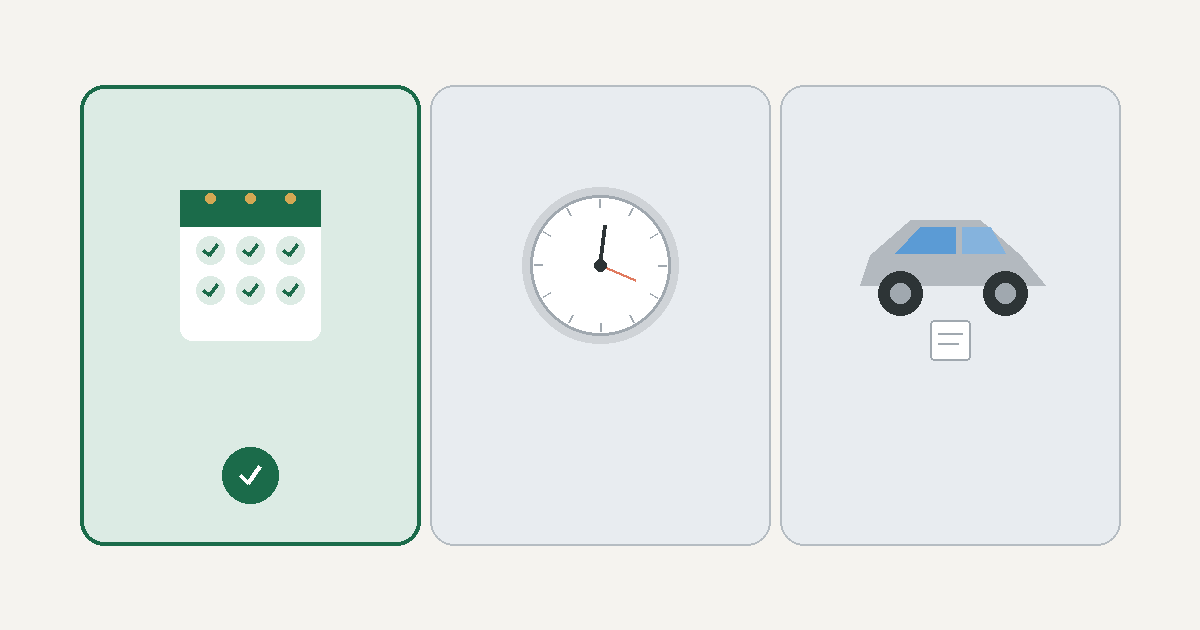
In short: installment loans emphasize a calendar of payments; payday-style products emphasize a single repayment. Neither is automatically better for every person. What matters is whether the payment rhythm and total cost fit your income and your ability to stay current.
How Repayment Schedules Work
Most installment loans follow a fixed schedule. You agree to a loan amount, a term (how long you will be paying), and a payment frequency—often weekly, biweekly, or monthly. Your loan agreement spells out the due dates, the payment amount, and how each payment is applied.
A common pattern is that payments go to accrued interest first, then to principal. Early in the loan, more of each payment may go toward interest; later, more goes toward principal. Extra payments, when allowed, can reduce principal faster and shorten the time interest accrues—but only if your agreement applies those extras that way. Always confirm with your lender how additional amounts are handled.
Autopay can help you stay on schedule, but it is not a substitute for checking your bank balance. A failed payment can trigger fees from both your lender and your bank. Setting a calendar reminder a few days before each due date gives you room to move money if needed.
If your income arrives on a different cycle than your loan payments, ask whether the schedule can align with your paydays. Many short-term installment products are designed with that flexibility in mind, but the details live in your specific agreement—not in general advice.
Loan Amounts and Terms: A General Overview
Installment loans come in many sizes and lengths. Consumer installment products can range from a few hundred dollars for short-term needs to much larger amounts for multi-year goals. Short-term personal installment loans—the kind people often use for unexpected bills—typically involve smaller amounts and terms measured in months rather than years.
What you may qualify for depends on underwriting factors such as income, credit history, existing obligations, and the lender’s criteria. Approval is never guaranteed just because you meet a checklist. Your actual amount, rate, and term appear in the documents you review before signing.
When you compare offers, look beyond the headline number. A longer term can shrink each payment but often raises total interest. A shorter term usually costs less overall if you can afford the higher payment. Borrow only what you need for a defined expense—not a round number “just in case.”
For specifics on how Little Lake Lending structures amounts, terms, and pricing, see the company’s Rates & Terms page rather than relying on a blog summary. Product details belong in the disclosures that apply to your application.
Pros and Cons of Installment Loans
Potential advantages
- Predictable payments. Knowing the amount and due dates helps you budget.
- Spread cost over time. Smaller individual payments can be easier to manage than one large lump sum.
- Clear end date. A defined term means you can see when the debt will be gone if you pay as agreed.
- No collateral (for many personal installment products). Unsecured loans do not put your car or home at risk the way a secured loan might—though you still owe the debt and missed payments have consequences.
Potential drawbacks
- Cost of credit. Interest and fees add to what you repay. Short-term products in particular can be expensive forms of borrowing.
- Total interest over the term. Spreading payments can mean paying more in interest than a shorter payoff would.
- Risk of stacking debt. Using a new loan to cover the last one can deepen financial stress.
- Impact of missed payments. Late fees, returned-payment fees, and credit reporting can make a hard situation harder.
A balanced view treats installment credit as a tool with costs and conditions—not as a default solution for every shortfall.
Who Installment Loans May Help
Installment loans may be a reasonable fit when you have a specific, time-bound need—such as a repair that keeps you employed—and a realistic plan to repay from upcoming income. They tend to work better when:
- You can name the exact expense and amount you need.
- Your budget shows room for the scheduled payments after essentials.
- You understand the total cost, not only the payment size.
- You are not already juggling multiple high-cost loans.
They are less suitable as a long-term way to cover ongoing expenses that exceed your income. If rent, food, and utilities routinely leave you short, credit may mask a budget gap that needs a different approach—income, benefits, or counseling—rather than another loan.
Short-term installment lending is meant for defined needs—to bridge a gap, not replace a household budget. If you are unsure whether borrowing is right, pause and walk through the questions below before you apply anywhere.
Questions to Ask Before Borrowing
Before you sign a loan agreement, give yourself honest answers to these questions:
- What exact expense am I covering? Write the bill amount. Borrowing without a target invites overspending.
- Can I afford every payment after rent, food, utilities, and transportation? If the payment only works if nothing else goes wrong, the margin is too thin.
- What is the total amount I will repay? Compare that to the amount you receive. The difference is the cost of credit.
- What happens if I pay late or a payment fails? Know the fees and timelines in the agreement.
- Can I pay off early, and is there a penalty? Early payoff can save interest when it is allowed without penalty.
- Have I checked lower-cost options? Credit unions, bank personal loans, employer advances, payment plans with the biller, or nonprofit credit counseling may cost less.
- Am I borrowing to fix a one-time problem—or to paper over an ongoing shortfall? The second case usually needs a longer-term plan.
Writing your answers down takes a few minutes and can prevent an expensive mistake.
Conclusion
Installment loans repay in scheduled payments over a set term, which can make cash flow more manageable than a single lump-sum due date. They also carry real costs, and short-term credit is not meant to be a standing lifestyle solution. Understanding how schedules work, weighing pros and cons, and asking hard questions before you borrow puts you in a stronger position—whether you ultimately take a loan or choose another path.
Learn more about how Little Lake Lending can help with short-term installment options, and review Rates & Terms for product details before you decide.