
Credit scores influence many financial decisions—loan underwriting, some rental applications, and even certain insurance or utility deposits. Yet many people only hear about their score as a single number, without a clear picture of what drives it. Understanding the major factors behind common scoring models can help you focus on habits that matter and ignore myths that do not.
This overview explains the five categories that typically shape widely used FICO-style scores, the difference between hard and soft credit inquiries, free ways to monitor your file, and a practical way to think about what “good enough” means for your goals. Little Lake Lending shares this education because credit is one of several inputs lenders may review—and because clearer knowledge helps you plan, whether or not you apply for short-term credit.
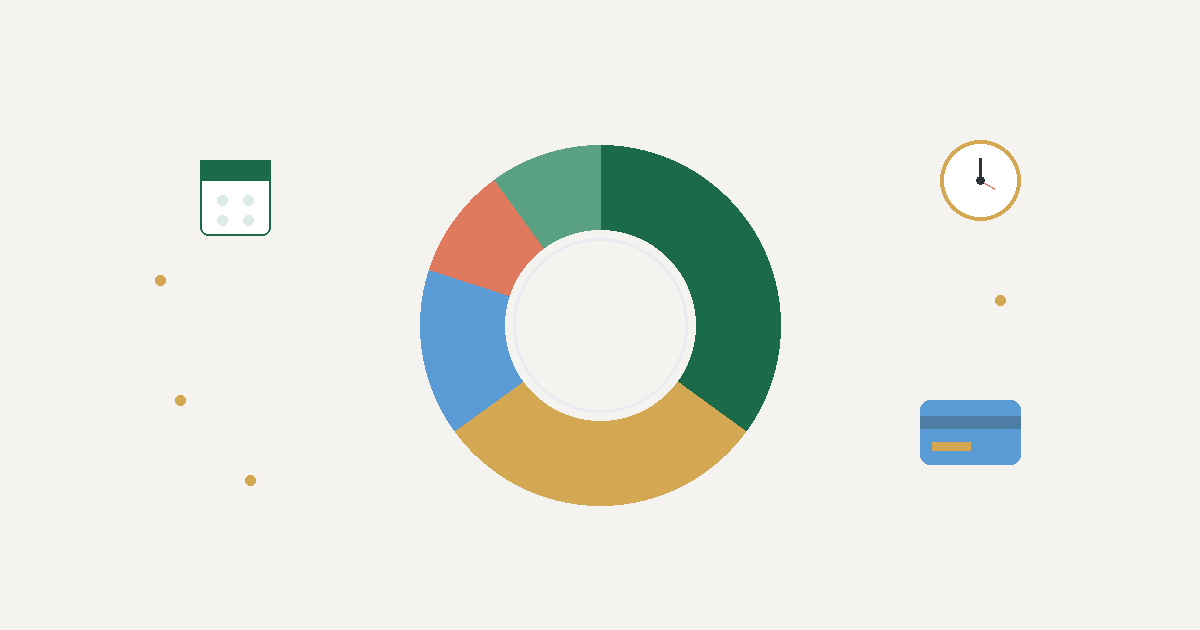
Payment History (About 35%)
Payment history is usually the largest piece of a FICO-style score. It reflects whether you paid accounts as agreed: on time, late, or not at all. Credit cards, installment loans, mortgages, and other accounts that report to the credit bureaus can contribute.
What tends to help:
- Paying at least the minimum on time, every time, on accounts that appear on your credit reports
- Catching up quickly if you fall behind, and then staying current
- Setting reminders or autopay for at least the minimum so a busy week does not create a 30-day late mark
What tends to hurt:
- Late payments, especially once they reach 30 days past due and are reported
- Charge-offs, collections, and repossessions
- Patterns of delinquency across multiple accounts
A long streak of on-time payments is one of the strongest positive signals you can build. You cannot erase yesterday overnight, but you can start a new pattern today.
Amounts Owed / Credit Utilization (About 30%)
The second major factor is how much you owe relative to your available credit—especially revolving credit such as credit cards. Utilization is often described as your balances divided by your credit limits. Scoring models generally favor lower utilization.
Practical points:
- High balances close to your limits can weigh on a score even if you pay on time
- Paying down revolving balances tends to help more quickly than many people expect, because utilization can update when creditors report new balances
- Closing old cards can reduce total available credit and raise utilization on what remains—sometimes an unintended side effect
- Installment loans are treated differently from revolving credit in many models; the “utilization” conversation is mainly about cards and similar lines
A common guideline in consumer education is to keep revolving utilization well below the maximum—many educators suggest aiming under about 30% as a rough target, and lower when possible. That is a rule of thumb, not a guarantee from any scoring company. What matters is the direction: lower revolving balances relative to limits usually help.
If cash is tight, prioritize staying current on payments first (history weighs more), then attack high-utilization cards when you can.
Length of Credit History (About 15%)
Length of history looks at how long your accounts have been open, including the age of your oldest account, the age of your newest, and the average age of accounts. Longer, stable histories generally support stronger scores because they give models more data about how you handle credit.
Implications for everyday decisions:
- Keeping older accounts in good standing can help average age
- Opening many new accounts in a short period can lower average age and add inquiries
- Becoming an authorized user on someone else’s account can sometimes add history—but it also ties you to that person’s habits, so treat it carefully
If you are new to credit, a thin file is normal. Building a few well-managed accounts over time usually beats applying for many products at once.
Credit Mix (About 10%)
Credit mix refers to the variety of account types in your file—for example, revolving credit (cards) and installment credit (auto loans, personal loans, mortgages). Models may reward a healthy mix because it shows experience managing different kinds of obligations.
This factor is smaller than payment history and utilization, so it rarely makes sense to take on a loan you do not need just to “diversify” your file. The cost of unnecessary credit usually outweighs any modest mix benefit. Think of mix as a secondary detail that develops naturally if you use credit carefully over years—not as a target to chase.
New Credit and Inquiries (About 10%)
When you apply for new credit, a creditor may place a hard inquiry on your credit report. Hard inquiries can lower a score somewhat for a period of time, especially if several appear close together. Opening new accounts can also affect average age and utilization patterns.
Soft inquiries—such as when you check your own score, or when a lender does a review that is not tied to a new application in the same way—typically do not affect scores the same way hard inquiries do. Exact treatment depends on the scoring model and how the inquiry is coded.
Consumer-friendly habits include avoiding applications for credit you will not use, and reading prequalification language carefully to see whether a soft or hard pull is involved. Little Lake Lending notes in its application materials that credit-related information may be reviewed and that the effect of an inquiry, if any, depends on the type of check and your overall file. That same caution applies industry-wide.
Hard Pulls vs. Soft Pulls
Hard pulls (hard inquiries) usually occur when you apply for new credit and a lender reviews your credit to make a decision. They appear on your credit report and can influence scores for a time.
Soft pulls (soft inquiries) often occur when you check your own credit, when a company sends a firm offer of credit based on a pre-screen, or in certain account-review contexts. Soft pulls generally do not lower your score.
If you are unsure what kind of inquiry a process will use, ask before you authorize it. After you apply somewhere, you can review your credit reports to see how the inquiry was recorded. If something looks wrong—an inquiry you did not authorize—follow the credit bureau’s dispute process and contact the company that pulled the file.
Free Monitoring Tools and Your Credit Reports
You do not need to pay for basic visibility into your credit. Under federal law, you are entitled to free credit reports from the major nationwide consumer reporting agencies through the official channel at AnnualCreditReport.com. Reviewing the reports themselves matters as much as watching a score, because scores are built from report data—and errors can and do appear.
Many banks, credit card issuers, and other tools also offer free score estimates or monitoring alerts. Features vary: some update monthly, some alert you to new inquiries or accounts, and some explain top factors in plain language. Treat any single score as educational; different models and bureaus can produce different numbers.
When you review reports, check for accounts you do not recognize, incorrect late marks, old collection items that should no longer appear, and personal information errors. Dispute inaccuracies through the bureau’s process and keep copies of your correspondence.
What “Good Enough” Looks Like
“Good credit” is not a single universal cutoff. Mortgage underwriting, auto lenders, credit cards, and short-term installment lenders all weigh credit differently—and many also weigh income, existing obligations, and banking activity. A score that works for one goal may be insufficient for another, and a lower score does not automatically close every door.
A healthier way to frame the question:
- What decision am I trying to support?
- What do my reports show about recent late payments and utilization?
- What is the cheapest path to improve the next twelve months—usually on-time payments and lower revolving balances?
Chasing a perfect number while ignoring budget reality helps less than building stable habits. If short-term borrowing is on your mind, remember that credit is only one part of underwriting, approval is never guaranteed, and the cost of the credit product still needs to fit your budget.
Conclusion
Most common credit scores lean heavily on payment history and amounts owed, with length of history, credit mix, and new credit playing smaller roles. Knowing that split helps you prioritize: pay on time, reduce high revolving balances, go easy on unnecessary applications, and monitor your reports for errors. Hard inquiries and soft inquiries are not the same; ask which one applies before you apply.
If you want to see how credit fits into a short-term installment application in practice, explore Little Lake Lending’s educational resources and application overview on our site—and use free report access to stay familiar with your own file.