
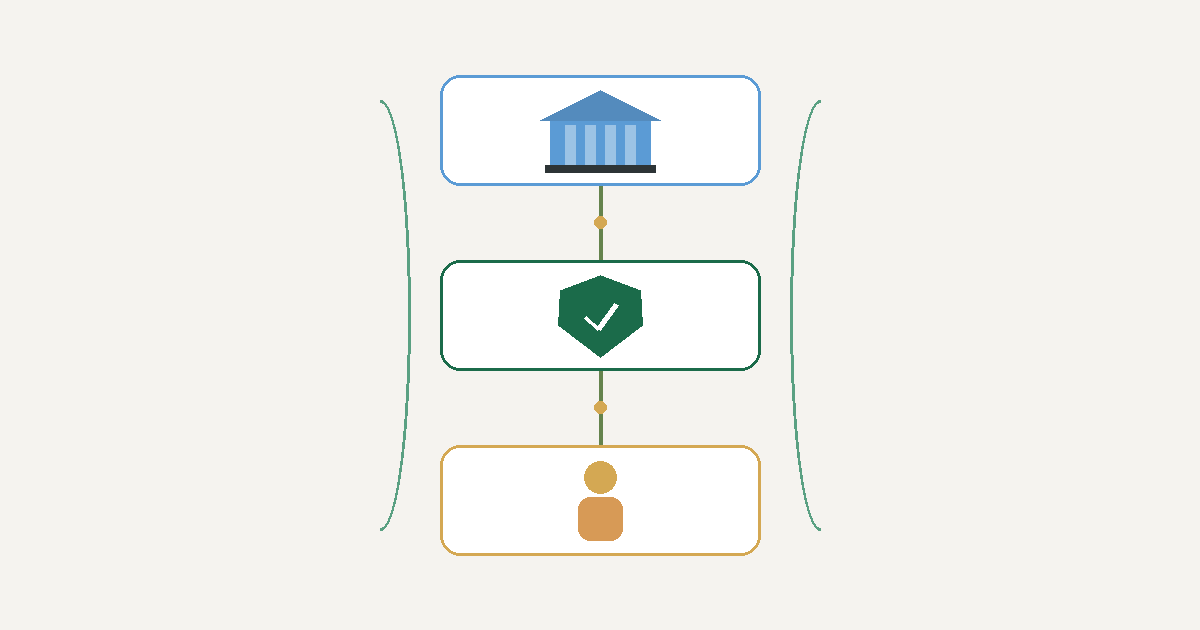
Tribal lending is a form of consumer lending conducted by enterprises owned by federally recognized Indian tribes. It sits at the intersection of tribal sovereignty, tribal law, and applicable federal law. For borrowers, the practical questions are straightforward: who is the lender, what rules govern the loan, what protections apply, and how does this differ from a loan offered by a state-licensed company?
This article is an educational overview of those concepts. It is not a brand biography—company history and mission details live on our About page—and it is not legal advice. Little Lake Lending shares this explanation so people researching online credit can understand the structure they may see disclosed in loan agreements and on tribal lenders’ websites.
Clear vocabulary reduces confusion. “Tribal lending” does not mean a loan is informal, unregulated, or invisible to federal consumer protections. It describes a governmental and commercial structure rooted in tribal authority.
Tribal Sovereignty and Lending
Federally recognized Indian tribes are sovereign governments. Sovereignty means a tribe has inherent authority to govern its members and territory, form a tribal government, enact tribal law, and operate enterprises that support governmental services and economic development—subject to federal law and the unique government-to-government relationship between tribes and the United States.
Many tribes operate businesses—casinos, tourism, natural resources, manufacturing, and financial services—among other sectors. Revenue from tribal enterprises can fund health care, education, housing, infrastructure, and other community needs. Lending enterprises are one type of economic-development activity some tribes have chosen.
When a tribe creates a lending enterprise, the tribe is generally acting in a governmental-commercial capacity: the business is organized under tribal law, owned by the tribe (or a tribal entity), and oriented toward generating revenue for tribal purposes while offering a credit product to consumers. The exact corporate form varies by tribe—wholly owned limited liability entities and similar structures are common patterns in the industry.
Sovereignty is also why tribal lending is not simply “another state license category.” Tribes are not subdivisions of states. Their authority does not come from a state regulator’s permission slip. At the same time, sovereignty is not a slogan that erases every other rule. Federal statutes and regulations that apply to consumer financial services can still matter, and loan agreements should explain governing law and dispute processes in plain view.
How Tribal Lending Operations Are Often Structured
While each tribe designs its own enterprises, borrowers researching the space often see a similar outline:
Tribal ownership. The lender is owned by a federally recognized tribe or a tribally chartered entity. Ownership is part of how the enterprise remains a tribal governmental activity rather than a purely private storefront.
Tribal law and oversight. The tribe enacts laws or codes that authorize lending, set expectations for the enterprise, and may create tribal regulatory or oversight functions. Consumer-facing documents typically identify the tribal lender and reference tribal law as part of the legal framework.
Day-to-day operations. Applications, underwriting, servicing, and customer support are often delivered online and by phone so borrowers do not need to travel to tribal lands to use the product. Operations teams, technology vendors, and service providers may support the enterprise under contracts—similar to how many modern financial companies use vendors—while the tribal entity remains the lender.
Economic-development purpose. Tribal communications frequently describe lending as supporting tribal government services and community priorities. That purpose statement does not change your repayment obligations, but it explains why the enterprise exists beyond private profit for outside shareholders.
Little Lake Lending is one example of a tribally owned short-term installment lender; for ownership and location details, see the About page rather than treating this article as a company profile.
Tribal Law and Federal Law—Both Matter
A helpful mental model is “tribal plus federal,” not “tribal instead of all law.”
Tribal law addresses how the enterprise is authorized, how it is supervised by the tribe, and often how certain disputes are handled. Your loan agreement may include governing-law provisions that point to tribal law and describe arbitration or tribal forum processes. Read those sections carefully before you sign—just as you would read governing-law clauses from any lender.
Federal law can include consumer-protection, disclosure, privacy, and fair-lending frameworks that apply to covered entities and activities. Which federal requirements apply in a given situation can depend on the product, the facts, and evolving legal interpretations. Educational articles cannot litigate those boundaries; what you can do as a consumer is read the disclosures you are given, keep copies, and use federal complaint channels when you believe a federal consumer-financial protection issue exists.
State law is the piece that differs most from state-licensed lending. States generally license and examine many nonbank lenders that operate under state authority. Tribal sovereign lenders are not simply “state lenders without a license.” They operate under a different sovereign’s authority. That distinction is frequently misunderstood online, which is why myth-versus-fact clarity matters below.
None of this removes your practical responsibility: understand the amount, APR disclosures, payment schedule, fees, and default consequences in your agreement before you borrow.
Tribal Lending vs. State-Licensed Lending
| Topic | State-licensed lending (typical pattern) | Tribal lending (typical pattern) |
|---|---|---|
| Source of authority | State statutes and licenses | Tribal sovereignty and tribal law, plus applicable federal law |
| Primary regulator consumers hear about | State financial regulator | Tribal oversight structures; federal agencies may still be relevant depending on the issue |
| Where the company “sits” legally | Organized under state law as a state-licensed lender | Organized as a tribal governmental enterprise / tribally owned entity |
| What you should still do | Read the agreement; verify company identity; keep records | The same—plus read tribal governing-law and dispute clauses carefully |
For a borrower comparing offers, the comparison that matters day to day is still cost, payment fit, customer service access, and clarity of terms—not a slogan about which sovereign authorized the lender. A clear tribal lender and a clear state-licensed lender both should be able to show you who they are and what you are signing. An unclear website that will not identify the lender is a problem in either category.
Consumer Protections and Practical Safeguards
Consumer protection in tribal lending is best understood as a layered set of practices and rights:
Contract clarity. You should receive a written loan agreement describing material terms. Do not rely on ads or chat summaries.
Privacy and data handling. Reputable lenders publish privacy notices explaining how information is collected and used. Read them.
Customer service and escalation. You should be able to reach servicing about payments, payoff quotes, and account access. Many online lenders also participate in industry associations—such as the Online Lenders Alliance (OLA) or tribal-industry groups like the Native American Financial Services Association (NAFSA)—that publish standards or consumer hotlines. Membership is not a government endorsement, but it can provide an extra path when you cannot resolve an issue directly.
Federal complaint channels. Depending on the issue, consumers may use tools from agencies such as the Consumer Financial Protection Bureau (CFPB) or report scams through the Federal Trade Commission (FTC). Using a complaint portal does not automatically cancel a valid loan, but it creates a record.
Your own safeguards. Verify the website URL, avoid upfront fees paid by gift card or wire to “release” funds, and walk away from guaranteed-approval pressure. Those scam patterns are not unique to any one lending structure.
Myth vs. Fact
Myth: “Tribal lending means no rules apply.”<br> Fact: Tribal lenders operate under tribal law and are also subject to applicable federal law. Your agreement and federal consumer-finance frameworks still matter.
Myth: “If it is tribal, it must be a scam.”<br> Fact: Federally recognized tribes lawfully operate many kinds of enterprises. Evaluate the specific company: identity, disclosures, servicing, and terms. Scams exist in every corner of online finance; sovereignty is not proof of fraud, and a slick website is not proof of legitimacy.
Myth: “Tribal lending is the same as a state payday license.”<br> Fact: The authority structure differs. Do not assume state licensing pages will list a tribal enterprise the way they list state-licensed lenders.
Myth: “I do not need to read the agreement if the website looks official.”<br> Fact: The agreement controls. Marketing never replaces the contract.
Myth: “All tribal loans are identical.”<br> Fact: Products, amounts, schedules, and servicing practices vary by enterprise. Compare the actual offer in front of you.
What to Read Before You Apply Anywhere
Whether a lender is tribal or state-licensed, pause for the same checklist:
- Who is the legal lender, and where is it located?
- What amount, schedule, and total cost appear in the agreement?
- How do I contact customer service after funding?
- What does the agreement say about governing law and disputes?
- Does the payment fit my budget without skipping essentials?
If you want company-specific background on mission, ownership, and values, visit the About page. If you want product mechanics, use the rates, terms, and application pages on the site rather than expecting a concept article to replace disclosures.
Conclusion
Tribal lending is consumer lending conducted by tribally owned enterprises under tribal sovereignty, tribal law, and applicable federal law. It differs from state-licensed lending in the source of authority, not in the borrower’s need to read terms carefully and borrow only what they can repay. Myths that cast tribal lending as either lawless or automatically illegitimate obscure the real work of evaluating a specific lender and a specific agreement.
To see how Little Lake Lending describes its tribal enterprise in company terms, read our About page, and use the rest of the site to review product information before you make any decision.